

Introduction
Cancer remains one of the leading causes of morbidity and mortality worldwide. According to the latest estimates from the International Agency for Research on Cancer (IARC), approximately 20 million new cancer cases and 9.7 million cancer-related deaths occurred worldwide in 2022, and the annual number of new cases is projected to reach nearly 35 million by 2050 (Bray et al., 2024). Although advances in surgery, chemotherapy, radiotherapy, targeted therapy, and immunotherapy have significantly improved patient outcomes, the long-term effectiveness of these treatments is often limited by tumor heterogeneity, acquired drug resistance, and disease recurrence (Khan et al., 2024). Consequently, there is growing interest in developing safe and effective adjunctive strategies to complement conventional cancer therapies.
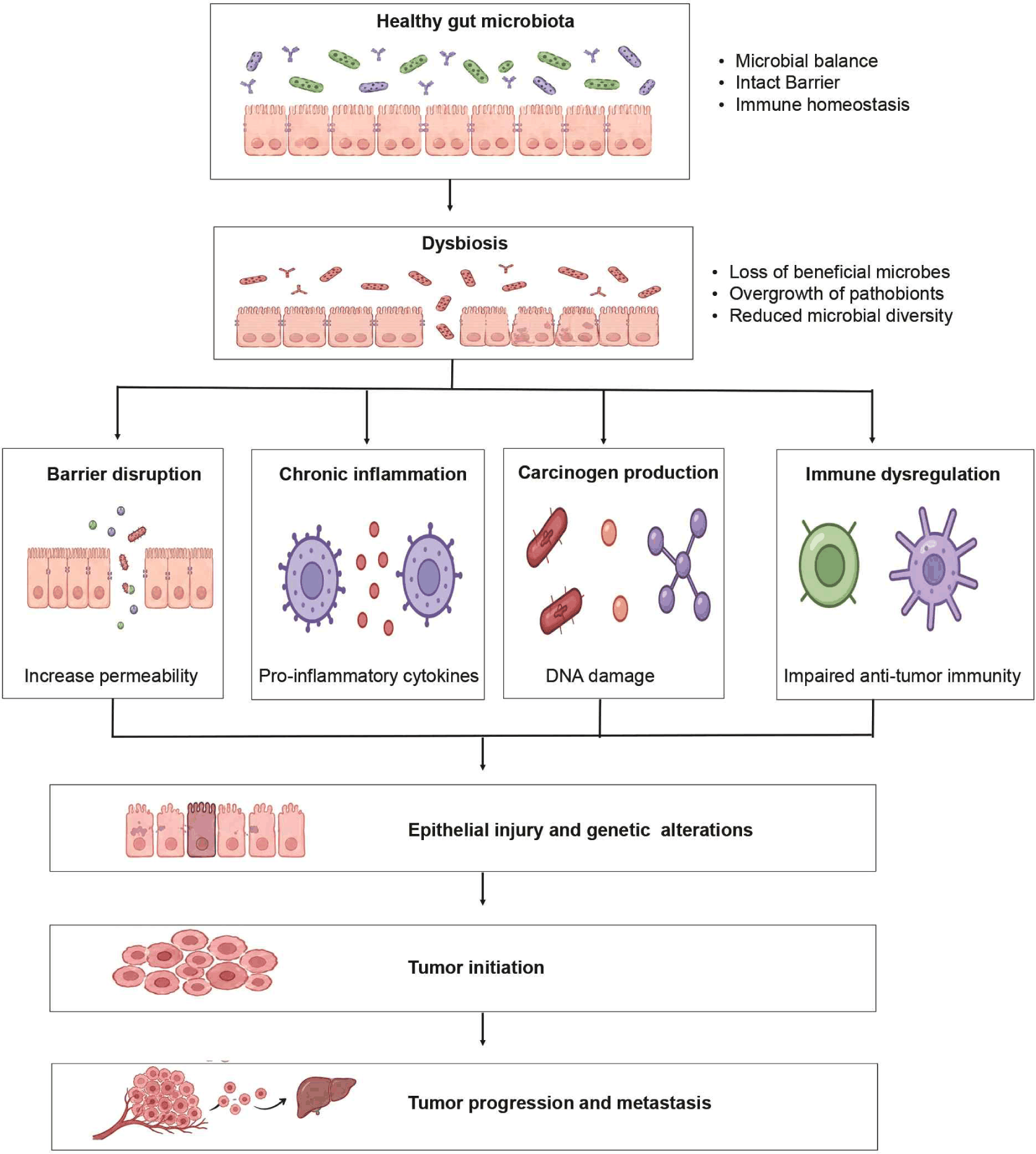
Recent advances in microbiome research have highlighted the important role of the gut microbiota in cancer development and therapeutic responses. The gut microbiota contributes to immune regulation, maintenance of intestinal barrier integrity, and host metabolic homeostasis, whereas dysbiosis, a disruption of the normal microbial composition and function, has been associated with the initiation and progression of several malignancies, such as colorectal, gastric, and liver cancers (Gebrayel et al., 2022; Schwabe and Jobin, 2013; Sepich-Poore et al., 2021). Current evidence suggests that dysbiosis promotes carcinogenesis through multiple mechanisms, including chronic inflammation, immune dysregulation, altered microbial metabolite production, and impaired epithelial barrier function (Schwabe and Jobin, 2013; Sepich-Poore et al., 2021). In contrast, beneficial microorganisms help maintain intestinal homeostasis, regulate immune responses, and suppress the growth of potentially pathogenic microorganisms (Sommer and Bäckhed, 2013). The major pathways linking gut microbial dysbiosis to cancer progression are summarized in Fig. 1.
In addition to its role in cancer development, the gut microbiota has emerged as an important determinant of therapeutic response. Differences in gut microbial composition have been associated with variations in the efficacy of several anti-cancer treatments, particularly immunotherapy, highlighting the close interplay between the microbiota and host anti-tumor immunity (Gopalakrishnan et al., 2018; Routy et al., 2018). These findings have generated considerable interest in microbiome-based strategies for cancer prevention and supportive care.
Among the various microbiome-targeted interventions currently under investigation, probiotics and postbiotics have attracted considerable attention because of their potential to beneficially modulate host–microbe interactions and influence biological processes associated with carcinogenesis. Available evidence suggests that these interventions may exert anti-cancer effects through multiple mechanisms, including regulation of inflammatory responses, enhancement of anti-tumor immunity, maintenance of intestinal homeostasis, neutralization of carcinogens and modulation of microbial metabolite production. In addition to their potential roles in cancer prevention, probiotics and postbiotics have demonstrated potential as adjunctive interventions for improving treatment tolerance and supporting therapeutic efficacy in patients with cancer (Tegegne et al., 2025).
Given the growing interest in microbiome-based approaches to cancer prevention and supportive care, a comprehensive evaluation of the available evidence is warranted. This review examines the roles of probiotics and postbiotics in cancer, highlighting their underlying mechanisms and findings from preclinical and clinical studies relevant to cancer prevention and supportive care.
Relevant literature published up to June 2026 was identified through searches of PubMed and Google Scholar using combinations of the keywords “probiotics,” “postbiotics,” “gut microbiota,” “cancer,” “carcinogenesis,” “chemotherapy,” “radiotherapy,” and “immunotherapy.” Original research articles, review articles, systematic reviews, meta-analyses, randomized controlled trials, observational studies, and other clinical studies published in English were considered. Additional relevant publications were identified through the reference lists of selected articles. Conference abstracts, and non-English articles were excluded. Both preclinical (in vitro and animal) and clinical studies were included. Greater emphasis was placed on recent high-quality evidence, including systematic reviews, meta-analyses, and clinical studies where available, while well-recognized landmark studies were included to provide historical context. Preclinical findings were discussed primarily to explain underlying biological mechanisms, whereas clinical evidence was interpreted separately to avoid overstating therapeutic efficacy.
Probiotics and postbiotics are distinct microbiome-based interventions that differ in their composition and characteristics, despite their shared microbial origin.
The concept of probiotics originated from the work of Élie Metchnikoff, whose observations on fermented dairy products laid the foundation for modern probiotic research (Schepper et al., 2017). According to the FAO/WHO definition, as reaffirmed by the International Scientific Association for Probiotics and Prebiotics (ISAPP), probiotics are “live microorganisms that, when administered in adequate amounts, confer a health benefit on the host” (Hill et al., 2014). This definition emphasizes that probiotic effects are strain-specific and must be supported by demonstrated health benefits in the host. To qualify as a probiotic, a microbial strain should be accurately identified, demonstrate an established safety profile, tolerate gastrointestinal conditions, and provide health benefits supported by experimental and clinical evidence (De Melo Pereira et al., 2018; Hill et al., 2014).
The most extensively studied probiotic microorganisms belong to the genera Lactobacillus, Bifidobacterium, and Saccharomyces. Representative strains, including Lacticaseibacillus rhamnosus, Lactiplantibacillus plantarum, and Bifidobacterium longum are widely used in probiotic formulations and have demonstrated beneficial effects on gastrointestinal health (Hill et al., 2014; Plaza-Diaz et al., 2019; Zheng et al., 2020). In addition to bacterial probiotics, certain yeasts also exhibit probiotic potential. Saccharomyces boulardii, a non-pathogenic yeast closely related to Saccharomyces cerevisiae, is a well-characterized probiotic used clinically for the management of gastrointestinal disorders, including antibiotic-associated diarrhea (Kelesidis and Pothoulakis, 2012).
Interest in postbiotics has increased considerably in recent years because beneficial effects traditionally attributed to probiotics may also be mediated by non-viable microorganisms and their associated components. To standardize the terminology, ISAPP defines postbiotics as “a preparation of inanimate microorganisms and/or their components that confers a health benefit on the host” (Salminen et al., 2021). Unlike purified microbial metabolites administered alone, postbiotics contain inactivated microorganisms and/or their structural components and are not restricted to microorganisms that fulfill probiotic criteria (Salminen et al., 2021).
Postbiotics comprise heterogeneous preparations containing intact non-viable microbial cells, cell fragments, structural components, metabolites, or combinations thereof. Major bioactive constituents include short-chain fatty acids (SCFAs), exopolysaccharides, bacteriocins, extracellular vesicles, and microbial cell wall components, all of which contribute to host–microbe interactions and various biological activities (Salminen et al., 2021; Scott et al., 2022; Xie et al., 2024a).
Molecular Mechanisms Underlying the Anti-Cancer Activity of Probiotics and Postbiotics
Probiotics and postbiotics exert anti-cancer effects through multiple mechanisms involving interactions between microbial factors, the host, and tumor cells. Although these mechanisms vary depending on the microbial strain, postbiotic composition, and cancer type, current evidence indicates that they modulate key pathways involved in carcinogenesis and tumor progression. The major mechanisms underlying these effects are summarized below and illustrated in Fig. 2.
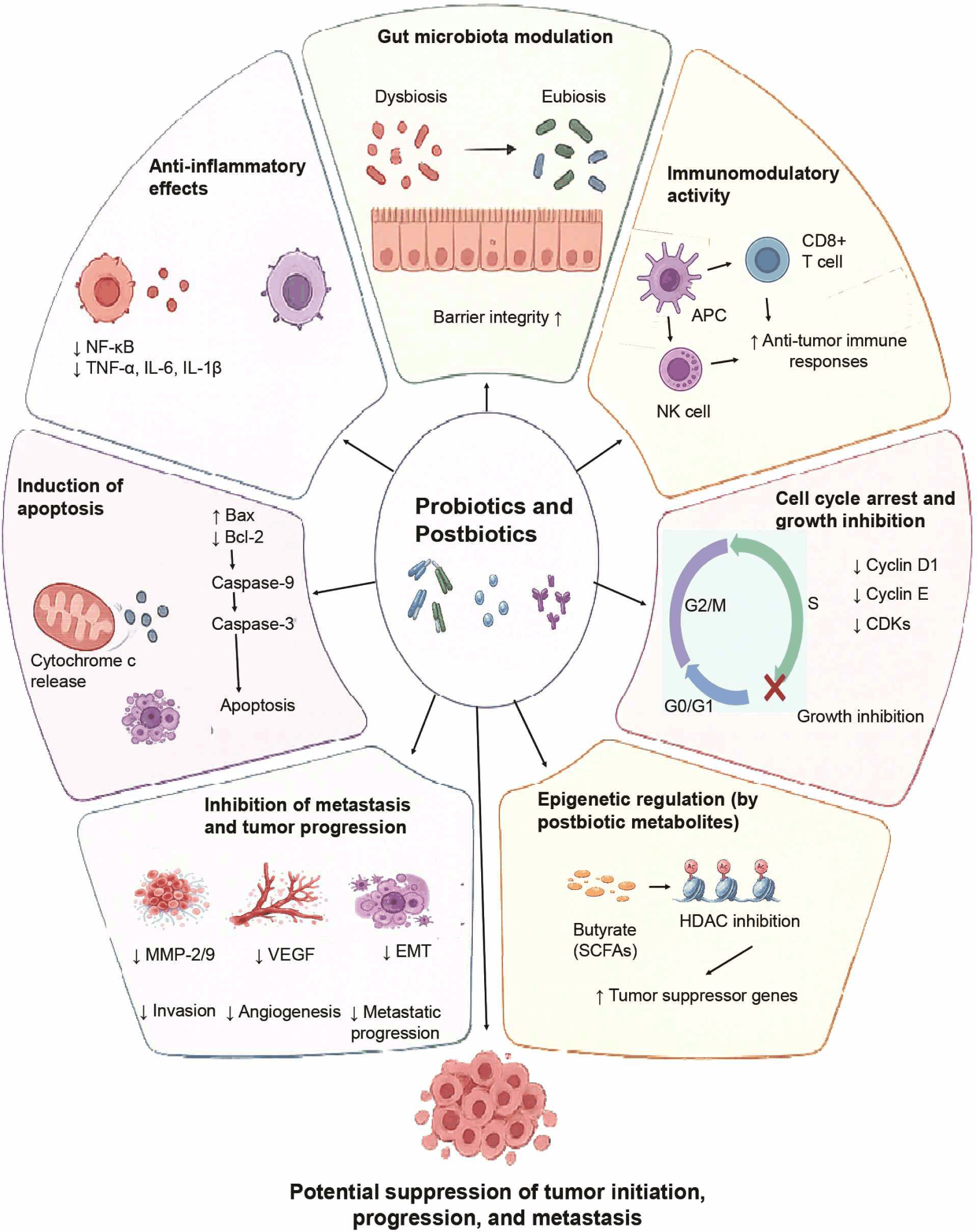
Modulation of the gut microbiota and restoration of intestinal homeostasis are considered key mechanisms underlying the beneficial effects of probiotics and postbiotics in cancer. These interventions may promote a balanced microbial ecosystem, strengthen epithelial barrier integrity, suppress the growth of pathogenic microorganisms, and reduce the production of pro-inflammatory and carcinogenic metabolites (Kvakova et al., 2022; Tegegne et al., 2025).
Probiotics promote a favorable intestinal environment by increasing beneficial microorganisms while suppressing the growth of potentially pathogenic species through competitive exclusion and antimicrobial activity (Mathipa and Thantsha, 2017; Skoufou et al., 2024). They may also reduce the production of carcinogenic microbial metabolites by modulating microbial enzymatic activities (Plaza-Diaz et al., 2019). In addition, probiotics help maintain epithelial barrier integrity and regulate mucosal immune responses, thereby limiting intestinal permeability and inflammatory processes associated with carcinogenesis. Furthermore, microbial metabolites such as short-chain fatty acids contribute to epithelial homeostasis and host–microbe communication through immunomodulatory and cell-signaling pathways (Vrzáčková et al., 2021).
Chronic inflammation is a key contributor to carcinogenesis and tumor progression, with activation of nuclear factor-kappa B (NF-κB) playing a central role in regulating genes involved in cell survival, angiogenesis, and metastasis (Hussain et al., 2003; Park and Hong, 2016). Evidence suggests that probiotics and postbiotics can modulate inflammatory pathways implicated in carcinogenesis (Tegegne et al., 2025). Experimental studies have shown that certain probiotic strains reduce the production of pro-inflammatory cytokines, inhibit NF-κB activation, and promote immune homeostasis by modulating host inflammatory signaling (Kaur and Ali, 2022; Vincenzi et al., 2021). In parallel, postbiotic components, particularly short-chain fatty acids such as butyrate, have been shown to regulate inflammatory signaling pathways and support intestinal immune balance through epigenetic and receptor-mediated mechanisms (Parada Venegas et al., 2019; Siddiqui and Cresci, 2021). By attenuating chronic inflammation and its downstream effects, these microbial-derived interventions may contribute to modulation of the tumor microenvironment toward a state that is less conducive to cancer initiation and progression (Panebianco et al., 2020; Śliżewska et al., 2020).
Probiotics and postbiotics are increasingly recognized as modulators of host immunity and may influence immune-related processes involved in cancer biology (Szydłowska and Sionek, 2022). Probiotic bacterial cells and their soluble factors may interact with intestinal immune cells through Toll-like receptor (TLR)-mediated recognition on dendritic cells, macrophages, and, to a lesser extent, monocytes, and are reported to modulate downstream T helper (Th) cell responses (Fong et al., 2016). These receptor-mediated interactions influence cytokine production and contribute to the regulation of mucosal immune homeostasis (De Kivit et al., 2014). In preclinical studies, specific probiotic strains have been shown to enhance natural killer (NK) cell activity and modulate T-cell responses, including cytotoxic CD8+ T-cell-associated functions and T-helper cell balance (Dong et al., 2012; Johansson et al., 2016). Experimental models also suggest that gut microbiota composition may influence responses to cancer immunotherapy, underscoring its role in shaping anti-tumor immunity (Fessler et al., 2019).
Postbiotics, including short-chain fatty acids such as butyrate, as well as other microbial-derived bioactive components, may regulate immune function through G-protein-coupled receptor (GPCR) signaling and epigenetic mechanisms involving histone deacetylase (HDAC) inhibition. Through these pathways, postbiotics modulate inflammatory signaling, support epithelial barrier integrity, and contribute to the maintenance of intestinal immune homeostasis (Mann et al., 2024). Thus, probiotics and postbiotics exert complementary but mechanistically distinct effects on host immunity.
Several studies have demonstrated that probiotics may induce apoptosis in cancer cells through modulation of both intrinsic and extrinsic pathways (Carneiro and El-Deiry, 2020). Probiotic treatment has been associated with increased expression of pro-apoptotic mediators, such as Bax, reduced expression of anti-apoptotic proteins including Bcl-2, and activation of caspase-9 and caspase-3 in various experimental models (Karimi Ardestani et al., 2019). Certain probiotic strains, such as Propionibacterium freudenreichii, have been shown to activate death receptor-mediated signaling and caspase-8, indicating involvement of the extrinsic apoptotic pathway (Cousin et al., 2016n). A peptide derived from Lacticaseibacillus casei has also been reported to induce apoptosis via p53-mediated regulation of the Bax/Bcl-2 axis, resulting in mitochondrial pathway–mediated cell death in cancer cells (Siddique et al., 2026).
Similarly, postbiotics have been reported to induce apoptosis in cancer cells through multiple mechanisms that vary depending on the specific bioactive components present (Sudaarsan and Ghosh, 2024). These effects are mainly associated with modulation of mitochondrial apoptotic signaling, characterized by alterations in Bcl-2 family proteins, activation of caspase-9 and caspase-3, and involvement of cytochrome c-mediated apoptosome formation (Khalil et al., 2022; Sudaarsan and Ghosh, 2024). However, the exact molecular mechanisms differ across postbiotic types, and no single unified pathway has been established (Sudaarsan and Ghosh, 2024).
Aberrant cell proliferation is a defining characteristic of cancer and is largely driven by dysregulation of the cell cycle machinery (Malumbres and Barbacid, 2009). Several probiotic strains have been reported to suppress cancer cell growth by modulating cell cycle progression (Śliżewska et al., 2020; Thoda and Touraki, 2025). Lactobacillus rhamnosus and related probiotic preparations have been shown to induce G0/G1 cell-cycle arrest in colorectal cancer cells through downregulation of cyclin D1, cyclin E, and ERBB2, thereby inhibiting cellular proliferation (Dehghani et al., 2020; Di et al., 2018).
Postbiotics have likewise demonstrated growth-inhibitory properties through diverse mechanisms that depend on their bioactive composition. Cell-free supernatants have been associated with cyclin D1 downregulation and G1-phase arrest, whereas short-chain fatty acids such as butyrate have been shown to induce G2/M arrest and suppress cyclin D1 expression in experimental cancer models. In addition, certain bacteriocins and extracellular vesicles have been reported to inhibit cell cycle progression at distinct checkpoints (Sudaarsan and Ghosh, 2024).
Metastasis is the leading cause of cancer-related mortality, and evidence suggests that probiotics and postbiotics can modulate pathways involved in tumor invasion, angiogenesis, and metastatic progression (Sudaarsan and Ghosh, 2024; Tegegne et al., 2025; Wirtz et al., 2011).
Several probiotic strains have demonstrated anti-metastatic potential in experimental models (Motevaseli et al., 2017). These effects have been linked to the downregulation of matrix metalloproteinases, particularly MMP-9, which plays a crucial role in extracellular matrix degradation and tumor invasion. In addition, probiotics have been shown to increase the expression of E-cadherin and the tight junction protein zonula occludens-1 (ZO-1). Modulation of vascular endothelial growth factor (VEGF)-related signaling has also been reported, indicating a possible role in suppressing angiogenesis and subsequent tumor dissemination (Noor et al., 2023).
Postbiotics may influence tumor progression through multiple mechanisms, including the regulation of angiogenesis and metastatic signaling pathways, depending on their diverse bioactive composition (Balendra et al., 2024; Li et al., 2026; Vrzáčková et al., 2021). Cell-free supernatants have been associated with reduced expression of MMP-2 and MMP-9, suppression of VEGF signaling, and inhibition of epithelial–mesenchymal transition through regulation of the Wnt/β-catenin pathway. In addition, conjugated linoleic acid has been reported to attenuate NF-κB signaling and downregulate metastasis-related mediators, including COX-2 and 5-LOX, which are implicated in tumor invasion and dissemination (Sudaarsan and Ghosh, 2024).
Epigenetic regulation is an additional mechanism through which postbiotic metabolites may influence cancer-related processes. Among these metabolites, short-chain fatty acids, particularly butyrate, are the most extensively studied because of their ability to modulate gene expression through histone deacetylase inhibition (Berni Canani et al., 2012; Vrzáčková et al., 2021). Through HDAC inhibition, butyrate has been associated with increased expression of tumor suppressor and pro-apoptotic genes, suppression of cancer cell proliferation, and induction of cell cycle arrest in experimental models (Bultman, 2014; Li and Li, 2014). In addition, butyrate can act as a signaling molecule through activation of G-protein-coupled receptors, including GPR43 and GPR109A, linking microbial metabolism with host cellular responses (Chen et al., 2019; Thangaraju et al., 2009). The interplay between receptor-mediated signaling and epigenetic regulation highlights the multifaceted role of SCFAs in cancer biology and underscores the potential contribution of postbiotic metabolites to cancer prevention and supportive cancer care.
Anti-Cancer Effects of Probiotics and Postbiotics in Different Cancer Types
The anti-cancer potential of probiotics and postbiotics has been investigated across various malignancies. The following sections summarize the current evidence regarding their effects in different cancer types.
Colorectal cancer (CRC) represents one of the most extensively studied malignancies in relation to probiotics and postbiotics (Wong and Yu, 2019; Xie et al., 2024b). Gut microbial dysbiosis has been implicated in colorectal carcinogenesis through altered production of microbial metabolites, disruption of intestinal barrier integrity, induction of chronic inflammation, and activation of tumorigenic signaling pathways (Zhang et al., 2021). Experimental studies suggest that probiotics may help counteract these processes by restoring gut microbial balance and reinforcing intestinal barrier integrity (Ding et al., 2020; Zhao et al., 2023). Probiotic supplementation has also been associated with improved postoperative recovery and reduced gastrointestinal complications in some clinical studies (Amitay et al., 2020; Tang et al., 2022).
Gastric cancer is one of the malignancies in which probiotics have been primarily investigated as adjuncts to Helicobacter pylori eradication therapy. Studies suggest that certain probiotic strains may improve eradication outcomes and reduce treatment-related gastrointestinal adverse effects (Tanashat et al., 2025). In addition, postbiotic components, including microbial metabolites and exopolysaccharides, have demonstrated anti-proliferative activity in preclinical gastric cancer models (Eladwy et al., 2025; Wu et al., 2021).
Alterations in the gut–liver axis have been implicated in hepatocarcinogenesis (Ohtani and Hara, 2021). Intestinal dysbiosis and impaired barrier function can promote the translocation of microbial components to the liver, contributing to chronic inflammation and the establishment of a tumor-supportive microenvironment. Probiotics have been reported to improve gut microbial balance and intestinal barrier integrity, whereas postbiotic metabolites, particularly short-chain fatty acids, contribute to immune and metabolic homeostasis within the gut–liver axis, which may be relevant to liver cancer progression (Ji et al., 2023; Mann et al., 2024).
Breast cancer has been associated with alterations in estrogen metabolism and immune regulation, both of which may be influenced by the microbiota (Guo, 2025; Zhao et al., 2025). Probiotics and postbiotics may modulate breast cancer progression through effects on immune regulation, inflammatory signaling, apoptosis, and tumor metabolism (Li et al., 2026; Tegegne et al., 2025). Lactobacillus acidophilus administration reduced tumor growth in MCF-7 xenograft models (Behzadi et al., 2021), while postbiotic preparations derived from Saccharomyces boulardii promoted apoptosis through suppression of Survivin expression (Sudaarsan and Ghosh, 2024). In addition, probiotic-derived metabolites such as conjugated linoleic acid (CLA) inhibited NF-κB signaling and induced apoptosis in breast cancer cells (Kadirareddy et al., 2016).
Persistent infection with high-risk human papillomavirus (HPV) is the primary cause of cervical cancer, and depletion of Lactobacillus species has been associated with increased HPV persistence and disease progression (Schellekens et al., 2025). Cell-free supernatants derived from Lactobacillus fermentum have been reported to induce apoptosis in HeLa cells, while metabolites from Lactobacillus crispatus, L. jensenii, and L. gasseri have been shown to inhibit proliferation of HPV-positive cervical cancer cell lines through modulation of apoptosis and cell-cycle regulatory pathways (Wan et al., 2023; Yang et al., 2018). Furthermore, Lactobacillus-derived metabolites reduced cervical cancer cell proliferation and suppressed EMT by upregulating E-cadherin expression (Bi et al., 2023; Pawar and Aranha, 2022).
Alterations in the lung and gut microbiota have been associated with pulmonary immune responses that may influence lung cancer development (Li et al., 2024). Several microbial products have demonstrated anti-cancer activity in experimental lung cancer models. For example, exopolysaccharides isolated from Bacillus thuringiensis S13 exhibited cytotoxic activity against A549 lung adenocarcinoma cells, whereas enterocin 12a derived from Enterococcus faecium inhibited A549 cell growth and induced apoptosis (Parthiban et al., 2014; Sharma et al., 2021).
Evidence for other malignancies, including head and neck cancer, melanoma, and pancreatic cancer, remains limited and is derived predominantly from preclinical studies. Representative findings are summarized in Table 1.
| Cancer type | Probiotic/postbiotic | Key findings | Evidence | Reference |
|---|---|---|---|---|
| Head and neck | Nisin (Lactococcus lactis) | Reduced tumor burden and induced apoptosis | Preclinical | (Kamarajan et al., 2015) |
| Melanoma | Lactiplantibacillus plantarum | Reduced cell viability and induced apoptosis | In vitro | (Budu et al., 2024) |
| Pancreatic | Duramycin (Streptomyces spp.) | Induced necrotic cell death | In vitro | (Broughton et al., 2016) |
Probiotics and Postbiotics as Adjuncts to Conventional Cancer Therapy
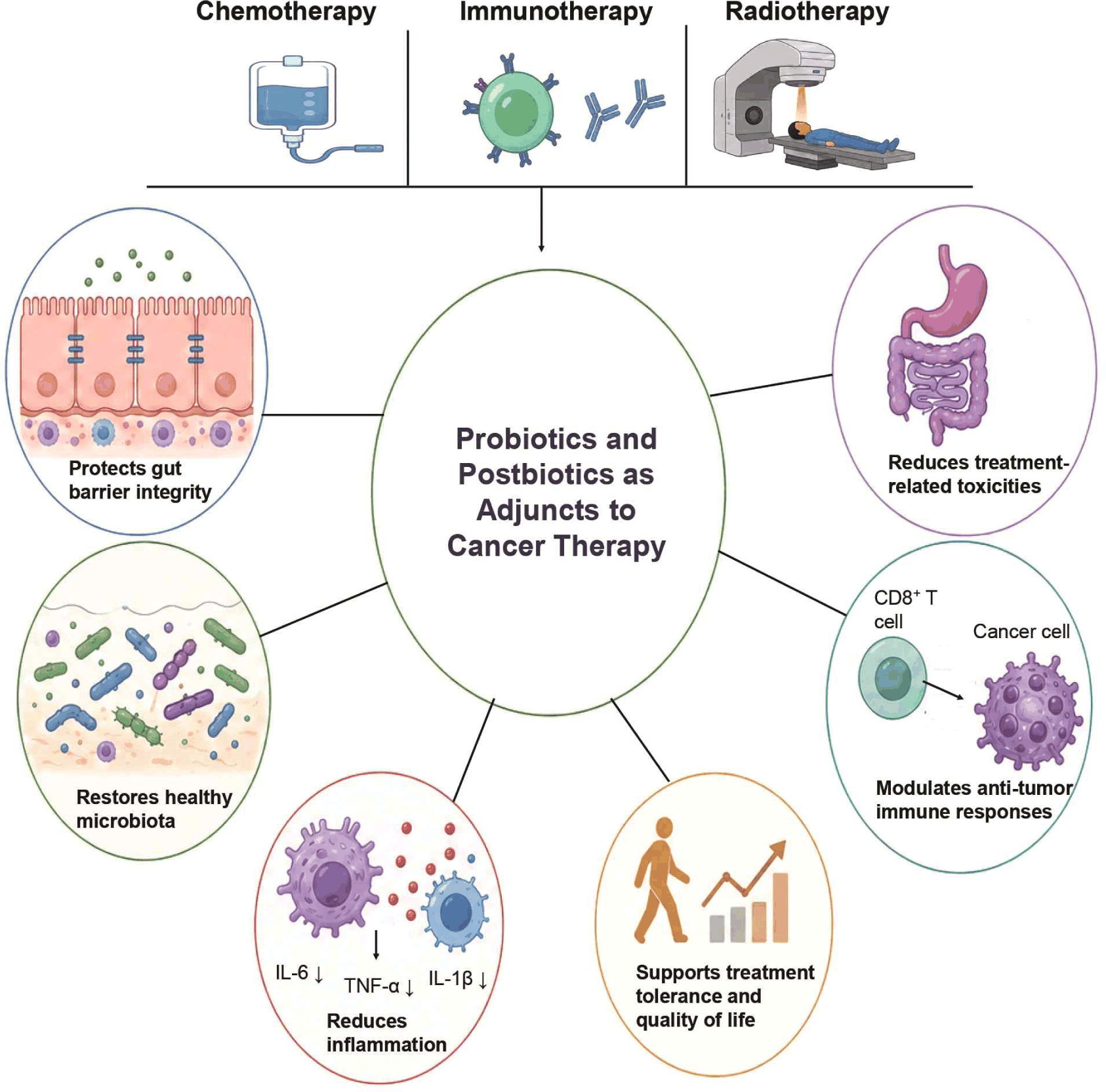
Beyond their direct anti-cancer activities, probiotics and postbiotics may also complement conventional cancer therapies by reducing treatment-related toxicities, preserving mucosal barrier function, and modulating host immune responses. These supportive effects have been investigated in the context of chemotherapy, immunotherapy, and radiotherapy, as summarized in Fig. 3.
Chemotherapy remains a cornerstone of cancer treatment, but its effectiveness is often limited by gastrointestinal toxicities associated with intestinal barrier disruption, microbial dysbiosis, and inflammation (Akbarali et al., 2022; Boussios et al., 2012). Given their capacity to modulate gut microbial communities and maintain intestinal homeostasis, probiotics and postbiotics have attracted interest as supportive interventions during chemotherapy.
Several studies have evaluated the potential of probiotics to alleviate chemotherapy-associated gastrointestinal complications. In a randomized clinical trial involving patients with colorectal cancer receiving 5-fluorouracil (5-FU)-based chemotherapy, supplementation with Lactobacillus rhamnosus GG reduced the incidence of severe diarrhea and abdominal discomfort, while decreasing the need for hospitalization and chemotherapy dose reductions related to bowel toxicity (Österlund et al., 2007). Similarly, a systematic review and meta-analysis of 15 randomized controlled trials involving 1,356 patients with gastrointestinal cancers found that probiotic or synbiotic supplementation significantly reduced the occurrence of chemotherapy-induced nausea, vomiting, and diarrhea and contributed to favorable modulation of gut microbiota composition (Yao et al., 2025). In preclinical studies, probiotic supplementation has also been associated with preservation of gut microbial balance and modulation of host immune responses during chemotherapy (Miyake et al., 2023).
Postbiotics have likewise been investigated for their potential to support patients undergoing chemotherapy. In an observational study, a Lactobacillus paracasei-derived postbiotic reduced the severity and duration of abemaciclib-induced diarrhea and decreased the need for treatment dose reductions in patients with hormone receptor-positive, HER2-negative breast cancer (De Sanctis et al., 2024). Experimental studies have further demonstrated that heat-inactivated bacterial preparations and microbial-derived metabolites can attenuate inflammatory responses and support intestinal barrier integrity in models of chemotherapy-induced intestinal injury (Munis Campos et al., 2026). In addition, several microbial metabolites, including short-chain fatty acids, have shown the ability to modulate cellular responses to chemotherapeutic agents in vitro (Eladwy et al., 2025; Rodriguez et al., 2026).
Cancer immunotherapy, particularly immune checkpoint inhibitors targeting PD-1, PD-L1, and CTLA-4, has substantially improved outcomes for several malignancies. However, considerable variability in treatment response has prompted increasing interest in microbiota-based strategies to enhance therapeutic efficacy (Rotte, 2019).
Multiple studies suggest that probiotics and postbiotics may enhance antitumor immunity by modulating the gut microbiota and host immune responses. Xu et al. demonstrated that lipid membrane-coated formulations of Lactobacillus rhamnosus and Bifidobacterium longum significantly enhanced antitumor immunity in colon cancer mouse models by promoting tumor antigen-specific cytotoxic T-cell responses and remodeling the tumor immune microenvironment. Notably, this probiotic-based formulation functioned as an immune adjuvant and exhibited synergistic effects when combined with cancer nanovaccines, resulting in enhanced preventive and therapeutic efficacy against colorectal cancer (Xu et al., 2023). Similarly, Bacteroides fragilis BF839 was shown to enhance immune activation and increase CD8+ T-cell infiltration in experimental models receiving anti–PD-1 therapy (Peng et al., 2025). In addition, a randomized controlled trial involving patients with advanced non-small cell lung cancer receiving PD-1 inhibitor–based chemoimmunotherapy reported that JK5G supplementation favorably modulated gut microbiota composition, reduced systemic inflammatory markers, and altered peripheral immune cell populations while reducing treatment-related adverse events (Chen et al., 2023).
Postbiotics may also serve as promising immunomodulatory adjuncts in cancer therapy by influencing both host immune responses and gut microbiota composition. Studies have shown that microbial-derived metabolites and non-viable microbial preparations can influence immune signaling pathways, regulate inflammatory responses, and alter gut microbial communities (Xu et al., 2026). In preclinical cancer models, postbiotic formulations have been associated with changes in immune cell infiltration and modulation of the tumor immune microenvironment during immune checkpoint blockade (Lee et al., 2024). Furthermore, clinical evidence from patients receiving PD-1 inhibitor–based chemoimmunotherapy suggests that postbiotic supplementation may reduce systemic inflammation and treatment-related adverse events while supporting favorable immunological changes (Chen et al., 2023).
Radiotherapy is another essential therapeutic approach for both localized and advanced malignancies; however, its clinical utility is often limited by radiation-induced toxicity to surrounding normal tissues (Barnett et al., 2009). Gastrointestinal toxicity is particularly common in patients receiving abdominal or pelvic irradiation and typically manifests as diarrhea, abdominal pain, and other symptoms of intestinal mucosal injury (Wang et al., 2021). Accordingly, increasing attention has been directed toward microbiota-targeted interventions, including probiotics and postbiotics, as potential supportive strategies to mitigate radiation-induced gastrointestinal toxicity (Wedlake et al., 2013).
Several clinical studies have evaluated the effects of probiotic supplementation during radiotherapy. In a randomized controlled trial involving women receiving pelvic radiotherapy for gynecologic cancers, supplementation with Lactiplantibacillus plantarum significantly reduced the frequency of loose stools, abdominal pain, and defecation urgency compared with placebo (Ahrén et al., 2023). Similarly, another trial demonstrated that probiotic supplementation with Lactobacillus acidophilus and Bifidobacterium longum may reduce radiation-induced diarrhea in patients receiving pelvic radiotherapy (Demers et al., 2014). Consistent with these findings, another double-blind controlled trial in patients with locally advanced cervical cancer demonstrated that supplementation with live Lactobacillus acidophilus and Bifidobacterium bifidum significantly reduced the incidence of radiation-induced grade ≥2 diarrhea and the need for anti-diarrheal medication, while improving stool consistency during pelvic radiotherapy (Chitapanarux et al., 2010).
Postbiotics have also been investigated for their potential role in alleviating radiation-induced tissue injury. Among these, microbiota-derived metabolites such as butyrate have been shown to reduce intestinal inflammation, support epithelial barrier function, and promote recovery of gut microbial homeostasis in experimental models of radiation enteritis (Li et al., 2020). In addition, lactic acid bacteria-derived postbiotic mixtures (Lactiplantibacillus plantarum and Lactobacillus rhamnosus) have been shown to confer cytoprotection to irradiated normal fibroblast cells while simultaneously modulating glioblastoma cell viability and enhancing therapeutic responses under irradiation and chemotherapy (Głowacka et al., 2026). Furthermore, probiotic-derived spore coat nanostructures, termed “spore ghosts,” from Bacillus species have been shown to attenuate radiation-induced intestinal injury in vivo by reducing oxidative stress and inflammatory responses, modulating gut microbiota composition, and improving epithelial barrier integrity, thereby alleviating diarrhea and enhancing survival in irradiated mice (Zheng et al., 2024).
Clinical Evidence and Translational Potential of Probiotics and Postbiotics in Cancer
Clinical trials have investigated the potential benefits of probiotics and postbiotics in patients with cancer. Current evidence suggests that these microbiota-targeted interventions may contribute to supportive cancer care by alleviating treatment-related toxicities, facilitating postoperative recovery, modulating host inflammatory and metabolic responses, and improving quality-of-life outcomes. The major clinical studies and their reported outcomes are summarized in Table 2.
| Cancer type | Intervention | Dose & Duration | Study design | Sample size | Primary outcomes | Key findings | Adverse events | Ref. |
|---|---|---|---|---|---|---|---|---|
| Cervical cancer (RT) | L. acidophilus + B. bifidum | 2 × 10⁹ CFU, twice daily; started 7 days before chemoradiotherapy and continued throughout treatment | Double-blind RCT | 63 | Radiation-induced diarrhea | Reduced grade 2–3 diarrhea; improved stool consistencys | No adverse events reported | (Chitapanarux et al., 2010) |
| Head and neck tumor | Streptococcus salivarius K12 | 91 × 10≥ CFU/lozenge, 3 times daily throughout radiotherapy (6–6.5 weeks) | Double-blind RCT | 160 | Severe oral mucositis | delayed the onset of severe oral mucositis | No serious adverse events; mild flatulence/dyspepsia in 2 patients | (Peng et al., 2024) |
| Colorectal cancer | B. infants.( 0.5 × 10⁶ CFU), L acidophilus.(0.5 × 10⁶ CFU), E. faecalis, and B. cereus (>0.5 × 10⁵ CFU) | 3 tablets three times daily for ~6 weeks | RCT | 100 | GI toxicity | Reduced diarrhea; restored microbiota | Not reported | (Huang et al., 2023) |
| Gastric cancer | Combination of live Bifidobacterium and Lactobacillus with fiber-enriched enteral nutrition | Administered for 7 consecutive postoperative days; dose not reported | RCT | 120 | Diarrhea | Reduced diarrhea; shortened hospital stay | Not reported | (Zhao et al., 2017) |
| Colon cancer | B. animalis subsp.lactis HY8002 (1 × 10⁸ CFU), L. casei HY2782 (5 × 10⁷ CFU), L. plantarum HY7712 (5 × 10⁷ CFU) | 2 g probiotic powder twice daily for 4 weeks | Multicenter RCT | 60 | Anterior resection syndrome (ARS) | Improved postoperative flatus control, reduced serum zonulin levels, and favorably modulated gut microbiota | Well tolerated; no severe adverse events | (Park et al., 2020) |
| Colorectal cancer | Bifidobacterium longum (≥1 × 10⁷ CFU/g), Lactobacillus acidophilus (≥1 × 10⁷ CFU/g), Enterococcus faecalis (≥1 × 10⁷ CFU/g) |
2 g orally, three times daily, for 12 consecutive days (5 days preoperatively and 7 days postoperatively) |
RCT | 60 | GI recovery | Faster flatus/defecation; reduced diarrhea | No drug-related adverse events observed | (Yang et al., 2016) |
| Colorectal cancer surgery | Clostridium butyricum MIYAIRI 588 | 40 mg orally, three times daily, from 5 days before surgery to 7 days after surgery (12 days total) | RCT | NR | Postoperative intestinal function recovery | Improved recovery; enhanced T cells, and reduced infectious complications | Favorable tolerability; no major safety concerns reported | (Yang et al., 2025) |
| Post-surgical CRC | Six-strain probiotic (L. acidophilus, L. lactis, L. casei, B. longum, B. bifidum, and B. infantis) | 30 × 109 CFU/day, orally twice daily for 6 months; initiated 4 weeks after surgery | Double-blind RCT | 52 | Inflammation | Reduced pro-inflammatory cytokines | No probiotic-related adverse events reported | (Zaharuddin et al., 2019) |
| Breast cancer | B. longum, L. acidophilus, and E. faecalis |
≥3 × 10⁷ CFU/capsule; 3 capsules twice daily for 84 days |
Double-blind RCT | 100 | Weight gain | Reduced weight gain and LDL | Well tolerated; no obvious probiotic-related adverse effects | (Juan et al., 2021) |
| Breast cancer | B. longum, L. acidophilus, and E. faecalis |
≥3 × 10⁷ CFU/capsule; 3 capsules twice daily during chemotherapy |
RCT | 159 | Cognitive impairment |
Reduced CRCI incidence; improved cognitive function |
No safety concerns reported | (Juan et al., 2022) |
| Cancer pain | JK5G postbiotics (inactivated Lactobacillus strains and metabolites) | 2.5 g once daily before meals for 7 days | RCT | 149 | Gut microbiota composition and quality of life | Improved pain and quality of life | No treatment-related adverse events | (Chen et al., 2026) |
| Colorectal cancer | Postbiotics: heat-killed Lacticaseibacillus paracasei SD1 + Lacticaseibacillus rhamnosus SD11 vs. Live probiotics: L. paracasei SD1 + L. rhamnosus SD11 |
1 tablet (1 g), 3 times/day for 6 months (≈2 × 10⁸ heat-killed cells/tablet or 4 × 10⁸ CFU/tablet for live probiotics) |
RCT | NR | Inflammation | Reduced cytokines; increased butyrate | No adverse events reported | (Wanitsuwan et al., 2024) |
Several studies have demonstrated the ability of probiotics to mitigate treatment-associated adverse effects. A double-blind randomized trial involving 63 cervical cancer patients receiving chemoradiotherapy found that supplementation with Lactobacillus acidophilus and Bifidobacterium bifidum significantly reduced the incidence of grade 2–3 radiation-induced diarrhea, decreased antidiarrheal medication use, and improved stool consistency (Chitapanarux et al., 2010). Similarly, in patients undergoing radiotherapy for malignant head and neck tumors, oral administration of Streptococcus salivarius K12 lozenges resulted in a clinically meaningful reduction in severe oral mucositis, with both delayed onset and shorter duration compared with placebo (Peng et al., 2024). In colorectal cancer patients receiving postoperative chemotherapy, probiotic supplementation significantly reduced chemotherapy-induced gastrointestinal complications, particularly diarrhea, while restoring gut microbiota diversity and increasing short-chain fatty acid production (Huang et al., 2023). In postoperative gastric cancer patients receiving enteral nutrition, Zhao et al. demonstrated that a combined fiber and probiotic formulation reduced diarrhea incidence, lowered intestinal disorder rates, and shortened hospital stay compared with fiber-free nutrition (Zhao et al., 2017).
Probiotics have also shown promise in enhancing postoperative recovery following cancer surgery. In patients undergoing colon cancer resection, perioperative probiotic administration modestly improved bowel function recovery, particularly flatus control, while reducing intestinal permeability markers such as zonulin (Park et al., 2020). Likewise, Yang et al. reported that probiotic supplementation in colorectal cancer patients undergoing radical resection accelerated postoperative bowel recovery, as evidenced by earlier first flatus and defecation and a lower incidence of postoperative diarrhea (Yang et al., 2016). Supplementation with Clostridium butyricum MIYAIRI 588 in patients undergoing radical colorectal cancer surgery similarly improved markers of gastrointestinal recovery, including earlier return of bowel function and dietary tolerance, while reducing postoperative infectious complications (Yang et al., 2025).
Beyond local gastrointestinal effects, several trials have suggested broader systemic benefits. In patients with resected colorectal cancer, prolonged supplementation with a multi-strain Lactobacillus and Bifidobacterium formulation resulted in a broad downregulation of pro-inflammatory cytokines, indicating potential immunomodulatory effects despite the absence of significant changes in IFN-γ (Zaharuddin et al., 2019). In breast cancer patients receiving docetaxel chemotherapy, Juan Z et al. observed that probiotic supplementation attenuated treatment-associated increases in body weight, body fat percentage, and LDL levels while modulating gut microbiota composition and metabolic profiles (Juan et al., 2021). Moreover, a randomized double-blind placebo-controlled trial in breast cancer patients undergoing adjuvant chemotherapy demonstrated that probiotics significantly reduced the incidence of chemotherapy-related cognitive impairment and improved overall cognitive performance, accompanied by alterations in gut microbiota and plasma metabolite profiles (Juan et al., 2022).
Evidence also supports the therapeutic potential of postbiotics in oncology settings. Chen et al. demonstrated that the JK5G postbiotic formulation improved pain control and quality of life in cancer patients with cancer-related pain while promoting favorable changes in gut microbiota composition, including enrichment of Akkermansia muciniphila and Bifidobacterium and suppression of pro-inflammatory bacterial taxa (Chen et al., 2026). Furthermore, in patients with a history of colorectal cancer, both postbiotic and live probiotic formulations containing Lacticaseibacillus paracasei SD1 and Lacticaseibacillus rhamnosus SD11 reduced pro-inflammatory cytokine levels, increased butyrate production, and promoted enrichment of beneficial butyrate-producing bacteria while decreasing Fusobacterium abundance (Wanitsuwan et al., 2024).
Challenges, Limitations, and Future Perspectives
Despite increasing evidence supporting the potential role of probiotics and postbiotics in cancer prevention and management, several challenges limit their translation into routine clinical practice. One major limitation is the strain-specific nature of probiotic effects and the heterogeneity of postbiotic preparations, which complicate comparisons across studies and hinder the development of standardized therapeutic recommendations (Vinderola et al., 2025; Tegegne et al., 2025). Furthermore, although numerous in vitro and animal studies have demonstrated promising anti-cancer activities, these findings may not fully reflect the complexity of host–microbiome interactions in humans. Existing clinical evidence also remains relatively limited, and differences in study design, patient populations, intervention regimens, and treatment duration may contribute to inconsistencies in reported outcomes, making it challenging to establish definitive conclusions regarding clinical efficacy (Li et al., 2026; Tegegne et al., 2025).
Although probiotics are generally regarded as safe and have demonstrated favorable safety profiles in most clinical studies, the administration of live microorganisms requires careful consideration in vulnerable cancer populations, particularly patients receiving intensive chemotherapy, those with prolonged neutropenia or severe immunosuppression, and individuals with impaired intestinal barrier function. Although rare, probiotic-associated bacteremia and Saccharomyces fungemia have been reported, and most documented cases occur in immunocompromised or critically ill patients (Costa et al., 2018; Liong, 2008). In addition, concerns remain regarding the presence of antibiotic resistance genes in certain probiotic strains and the reported transfer of these genes in experimental studies (Shahali et al., 2023). These challenges underscore the importance of rigorous strain-specific safety evaluation, standardized manufacturing practices, stringent quality control, and verification of strain identity, viability, and product purity before widespread clinical implementation (Tegegne et al., 2025; Vinderola et al., 2025). Compared with live probiotics, postbiotics may reduce certain safety concerns because they do not contain viable microorganisms and generally exhibit greater physicochemical stability; however, clinical evidence supporting their long-term safety and efficacy in oncology remains limited (Kudra et al., 2023).
Future research should prioritize large-scale, well-designed clinical trials to validate efficacy, establish evidence-based recommendations regarding dosage, treatment duration, and patient selection, and further assess long-term safety. Advances in microbiome profiling and multi-omics approaches may improve our understanding of the mechanisms underlying probiotic- and postbiotic-mediated effects and facilitate the identification of biomarkers predictive of treatment response, thereby supporting the development of personalized microbiome-based interventions (Tegegne et al., 2025; Li et al., 2026). Moreover, next-generation probiotics and postbiotics are emerging as promising therapeutic strategies that may enhance the potential of microbiome-based interventions as adjuncts to conventional cancer therapies (Kern et al., 2026; Li et al., 2026). Addressing these challenges through interdisciplinary collaboration will be essential to fully realize the potential of probiotics and postbiotics in cancer prevention and treatment.
Conclusion
Current evidence suggests that probiotics and postbiotics have potential roles in cancer prevention and supportive cancer care through modulation of the gut microbiota, inflammation, immune responses, apoptosis, cell-cycle regulation, and other processes involved in carcinogenesis. However, most of the available evidence is derived from in vitro and animal studies, whereas clinical evidence remains limited and primarily supports benefits in reducing treatment-related toxicities, improving gastrointestinal function, and enhancing quality of life.
Postbiotics may offer practical advantages, including greater stability, easier standardization, and the absence of viability-related safety concerns. Nevertheless, important challenges remain, including strain- and metabolite-specific variability, limited standardization, safety considerations for live probiotics in immunocompromised patients, and the need for more robust clinical evidence. Therefore, well-designed mechanistic studies and large randomized clinical trials are required before probiotics and postbiotics can be routinely incorporated into cancer management.


